13 ideas de renders inmobiliarios que si generan consultas en 2026
Una guia de alta intencion para promotoras y equipos de visualizacion que usan renders arquitectonicos para posicionar, vender inventario off-plan y convertir atencion en leads cualificados.
La mayoria de renders inmobiliarios parecen caros y funcionan como papel pintado.
Se colocan en el hero de una landing, quiza en un brochure, quiza en Instagram, y despues mueren. Sin visibilidad organica. Sin narrativa. Sin flujo de consulta.
La solucion no es "hacer imagenes mas bonitas". La solucion es producir sets de renders que respondan a intencion de comprador, oportunidades SEO y fricciones de conversion. Cuando cada imagen tiene un trabajo, la pagina empieza a funcionar como un motor de demanda en vez de un moodboard.
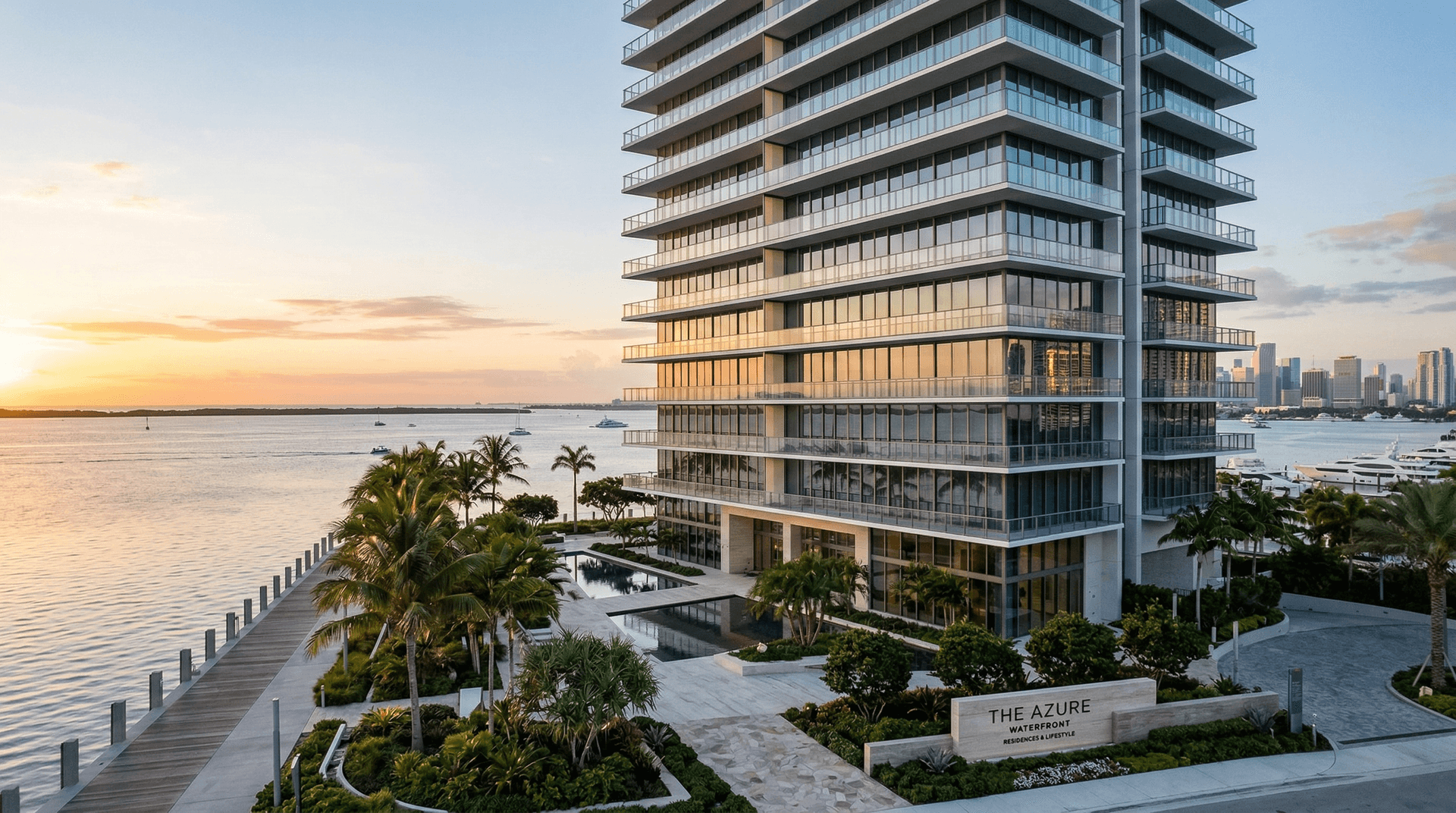
1. Construye una imagen hero que explique toda la promesa
Tu render hero no es decoracion. Es la respuesta mas rapida posible a: "En que estoy comprando?"
Para una torre residencial, normalmente significa:
- lectura clara de fachada
- sensacion de llegada premium
- contraste material creible
- suficiente contexto alrededor para comunicar calidad de ubicacion
El hero debe hacer legible el proyecto en dos segundos en movil. Si la composicion esta sobrecargada, demasiado cerrada o tan generica que podria ser cualquier torre en cualquier ciudad, pierde valor comercial rapido.
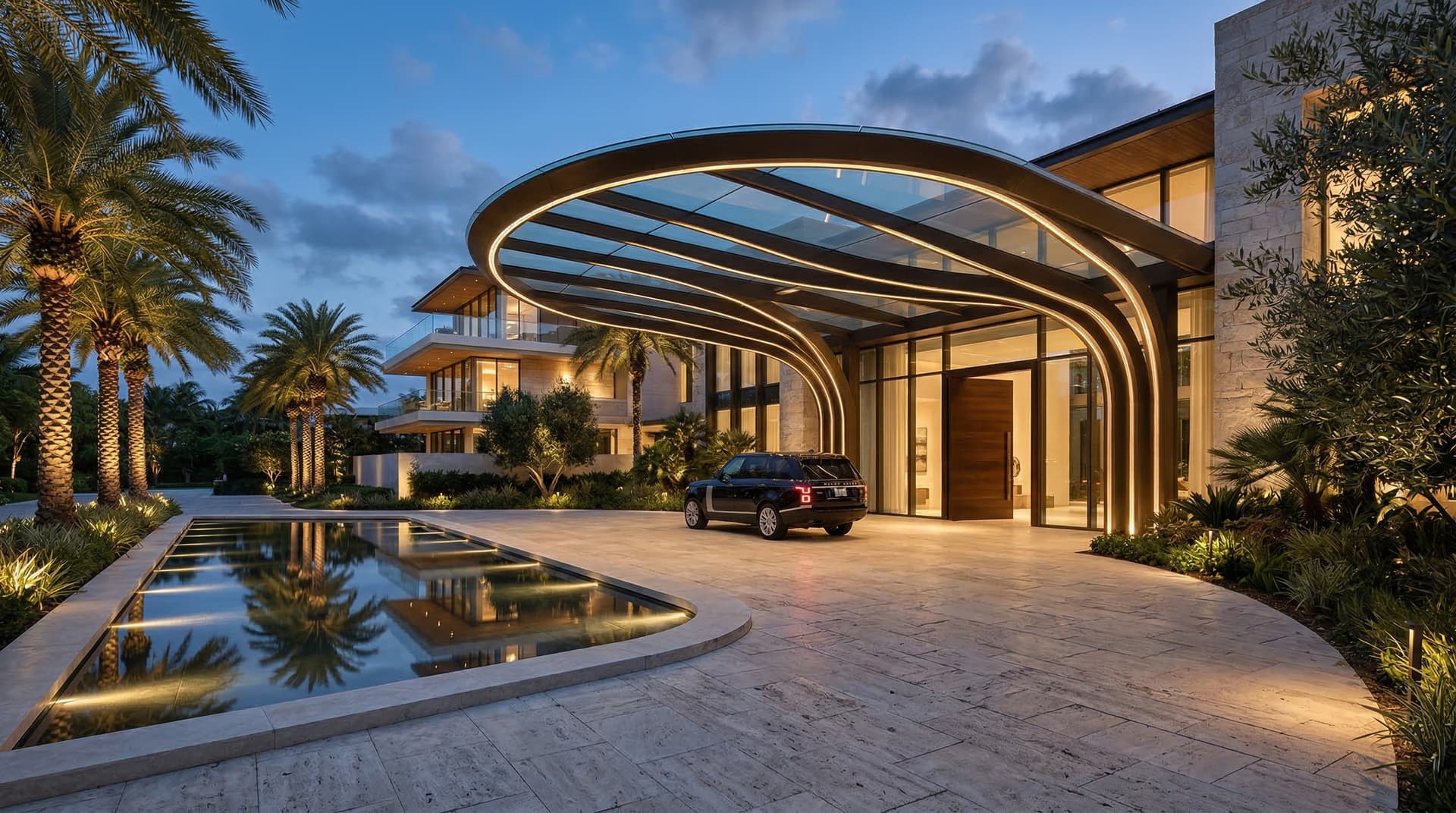
2. Anade una secuencia de llegada, no solo una elevacion frontal
Los compradores rara vez se imaginan flotando delante de una fachada. Se imaginan llegando.
Eso significa que la segunda imagen mas util suele ser:
- aproximacion por driveway
- llegada porte-cochere
- entrada de podium
- secuencia de puerta principal
- umbral del lobby
La imagen de llegada funciona porque convierte arquitectura abstracta en un momento de venta vivido.
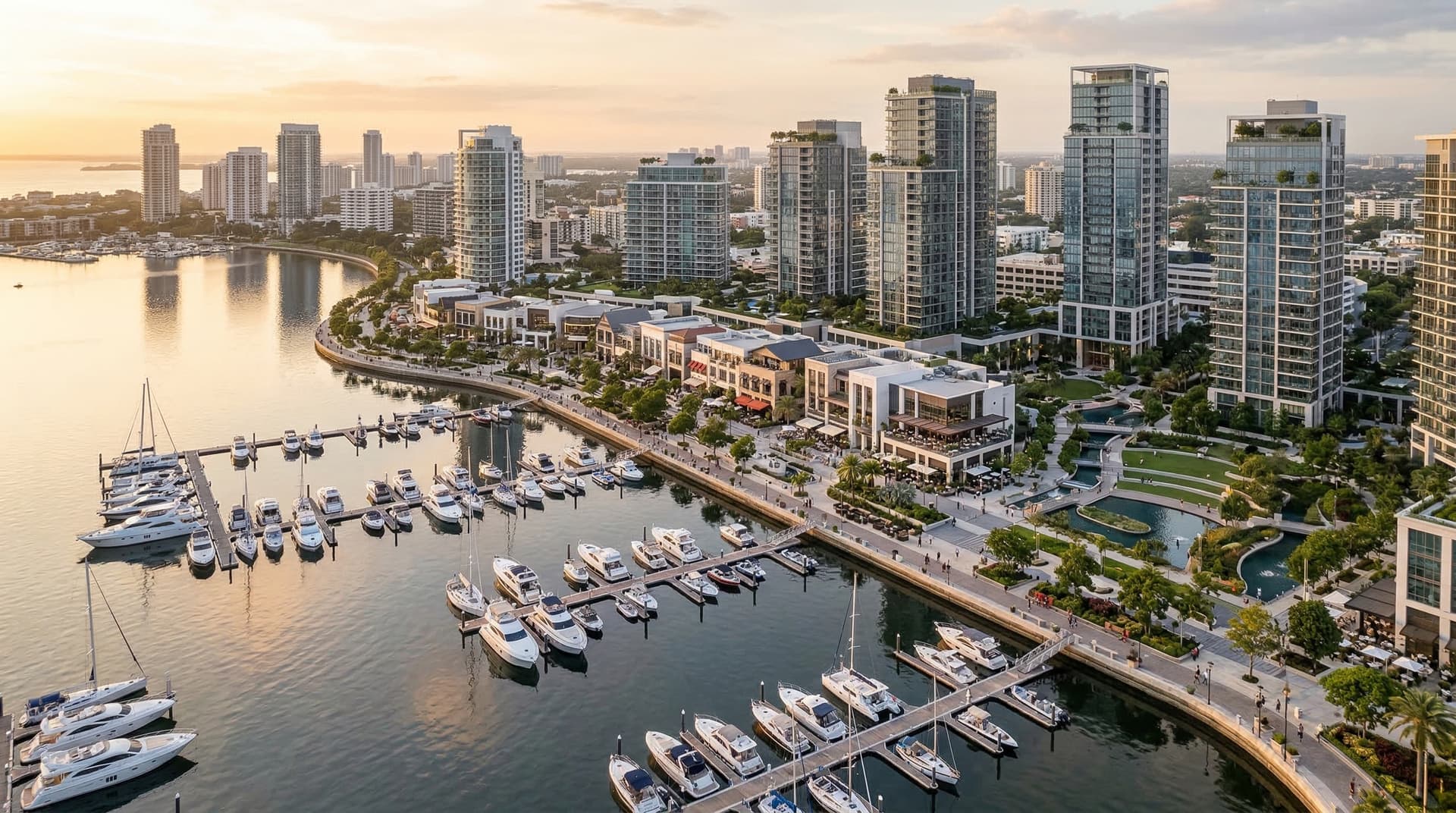
3. Usa renders de contexto para vender la zona, no solo el edificio
La busqueda alrededor de nuevos desarrollos depende mucho de la ubicacion. La gente busca colegios, agua, skyline, retail, transporte y senales de estatus.
Un render de contexto hace tres trabajos a la vez:
- Ayuda al comprador a entender la implantacion.
- Crea un mejor destino de enlace interno para paginas de zona.
- Le da a Google mas evidencia de que la pagina habla de un barrio real, no de una propiedad generica.
4. Crea una version para conversion y otra para busqueda
Aqui es donde muchos equipos se quedan comodos.
El equipo comercial quiere la imagen mas cinematica. Las paginas de busqueda suelen necesitar la imagen mas informativa. No siempre son el mismo activo.
Mantiene ambas:
- render de conversion: dramatico, emocional, premium
- render de busqueda: descriptivo, legible, rico en ubicacion
No estas eligiendo arte contra SEO. Estas asignando la imagen correcta a la etapa correcta.
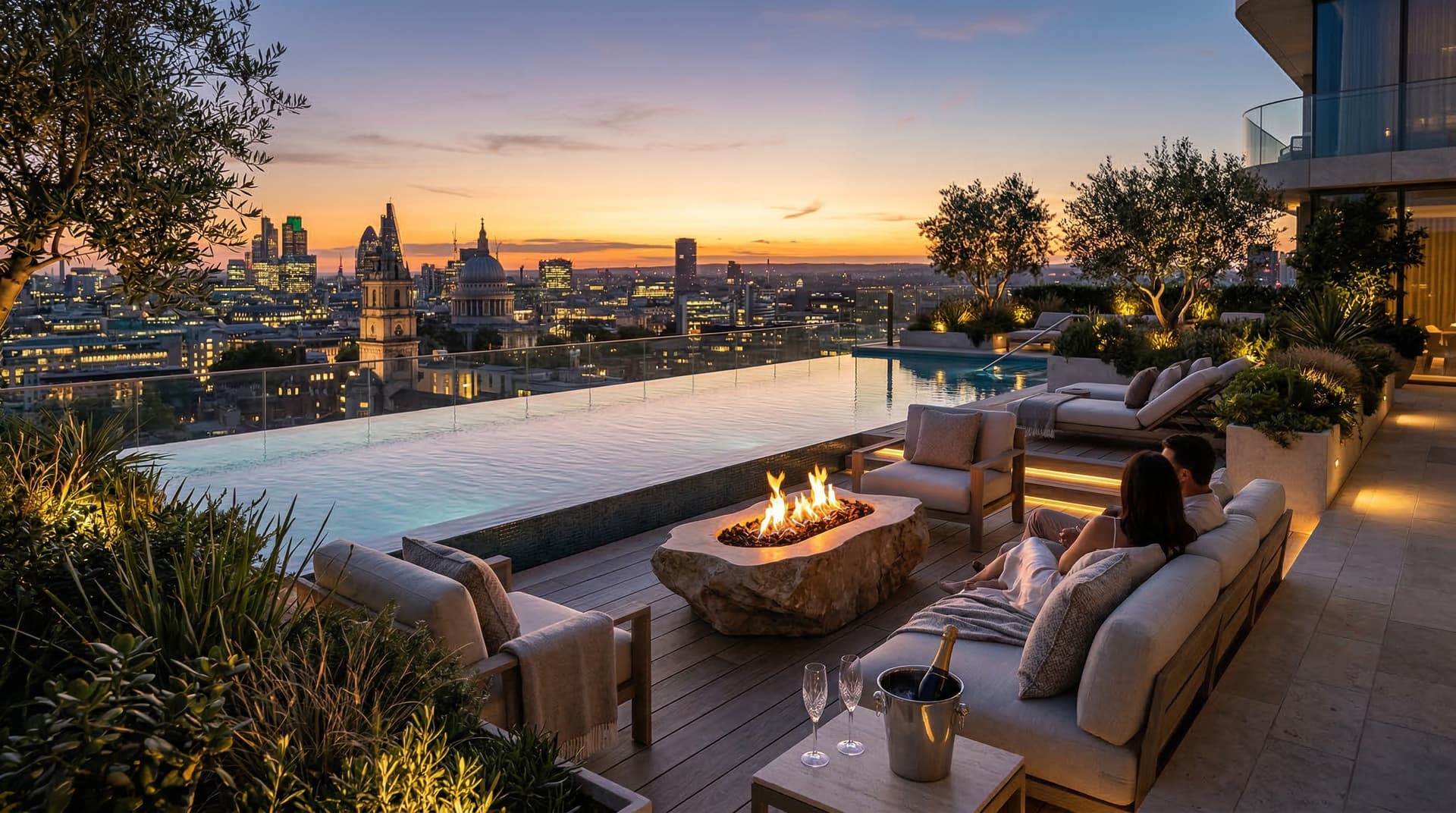
5. Crea imagenes de amenities que respondan "Como se sentira vivir aqui?"
Piscinas, lounges, spas, rooftops, gimnasios y coworking no son relleno. A menudo son donde se justifica la diferencia de valor percibida.
La clave es evitar galerias CGI esteriles. Anade atmosfera:
- zonas de asiento ocupables
- iluminacion por capas
- momentos de comida o bebida
- limites y vistas visibles
- storytelling material tactil
6. Usa interiores que muestren uso, no espacio vacio
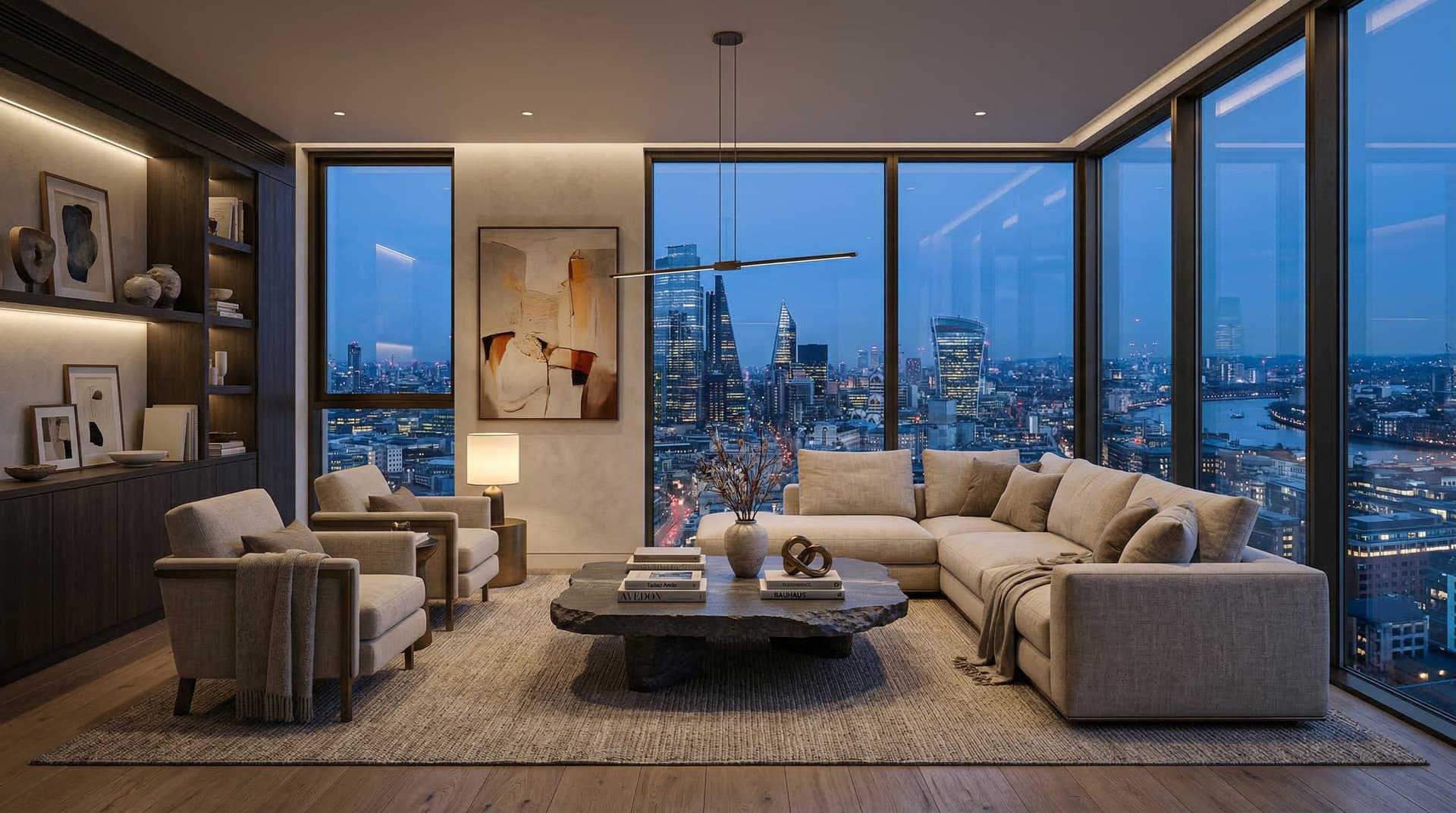
La categoria de render mas muerta de internet es el salon de lujo vacio.
Si quieres consultas, el interior necesita punto de vista:
- ritual de cafe por la manana
- setup para recibir invitados
- vista enmarcada al skyline
- composicion de comedor familiar
- detalle de material de lujo con contexto
La gente no consulta porque exista un sofa. Consulta porque la estancia vuelve especifico el estilo de vida.
7. Produce variantes de clima para la misma escena
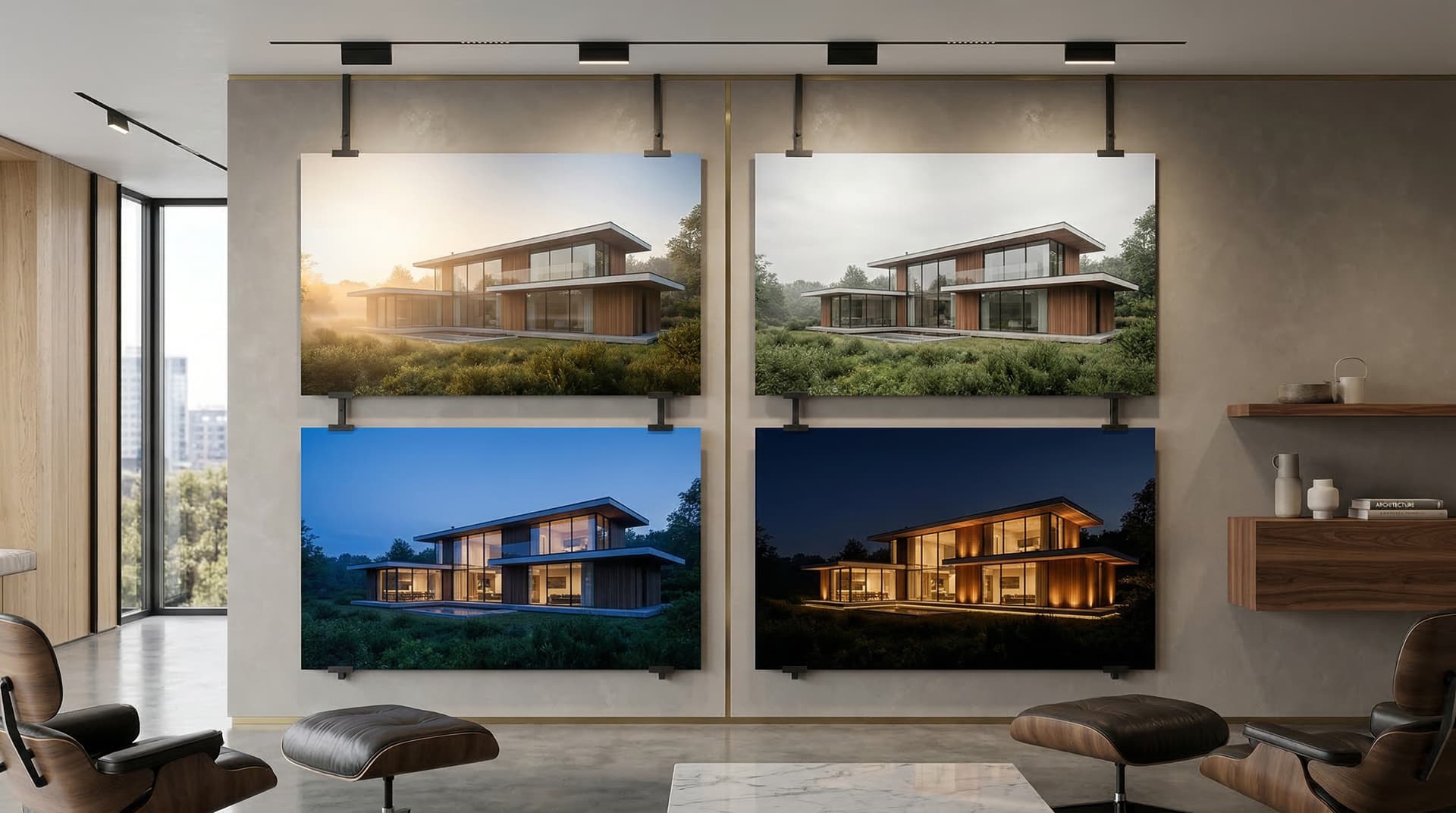
Uno de los sistemas de render con mas retorno es generar variantes desde la misma composicion base.
Mantiene edificio, angulo y camara bloqueados. Despues crea:
- amanecer
- nublado
- twilight
- noche iluminada
- version lifestyle con vida
Esto te da modulos de pagina mas frescos, mejor creative para social y ads, mas opciones de A/B testing y una galeria mas diversa sin encargar un set visual nuevo desde cero.
8. Disena el set alrededor de clusters de busqueda
Si tus keywords objetivo incluyen:
- apartamentos off-plan en dubai
- arquitectura de branded residences
- lanzamiento de condo waterfront
- amenities de torre de lujo
entonces tu pack de renders debe apoyar visualmente esas frases. El set de imagenes se vuelve parte de la arquitectura de contenido.
Eso significa mapear visuales a secciones como:
- pagina principal de proyecto
- pagina de barrio
- pagina de amenities
- historia arquitectonica
- explicador de inversion y entrega
9. Dale a cada imagen un filename, alt y caption real
Es basico, y aun asi muchos equipos se lo saltan.
Mal:
render-final-4.pnghero-new-new2.jpg
Mejor:
condo-waterfront-off-plan-render-noche.pngsecuencia-llegada-lobby-condo-lujo.png
Cada imagen deberia tener:
- nombre de archivo descriptivo
- alt text con escena + tipo de propiedad
- caption que anada contexto en vez de repetir el alt
10. Convierte galerias en paginas de ideas indexables
Muchos equipos esconden sus mejores imagenes dentro de sliders JavaScript sin copy que las acompane.
Eso desperdicia demanda.
Una estructura mejor es publicar paginas de ideas indexables para temas que los compradores buscan de verdad:
- ideas de render para villa moderna
- ideas de render para torre residencial
- ideas de visualizacion para casa de playa
- ideas de render interior de penthouse
Cada pagina deberia incluir:
- un parrafo introductorio claro
- captions de imagen
- logica de prompt o escena
- enlaces internos a temas relacionados
- CTA claro hacia tu herramienta o ruta de consulta
11. Haz que el pack sirva para blog, landing y ventas
Tus mejores packs visuales deberian alimentar tres superficies:
- Posts de blog que posicionan.
- Landings que convierten.
- Decks de venta que cierran.
Cuando un sistema de imagenes sirve a las tres, la produccion de contenido se vuelve mas barata y mas coherente.
12. Usa storytelling visual para eliminar dudas del comprador
En off-plan especialmente, los renders deben cerrar brechas de confianza:
- Esto se puede construir de verdad?
- La ubicacion se siente premium?
- El diseno esta diferenciado?
- El estilo de vida justifica el precio?
Por eso el storytelling visual supera a las beauty shots desconectadas. La narrativa reduce incertidumbre.
13. Trata la galeria como funnel, no como galeria
El orden de la galeria importa.
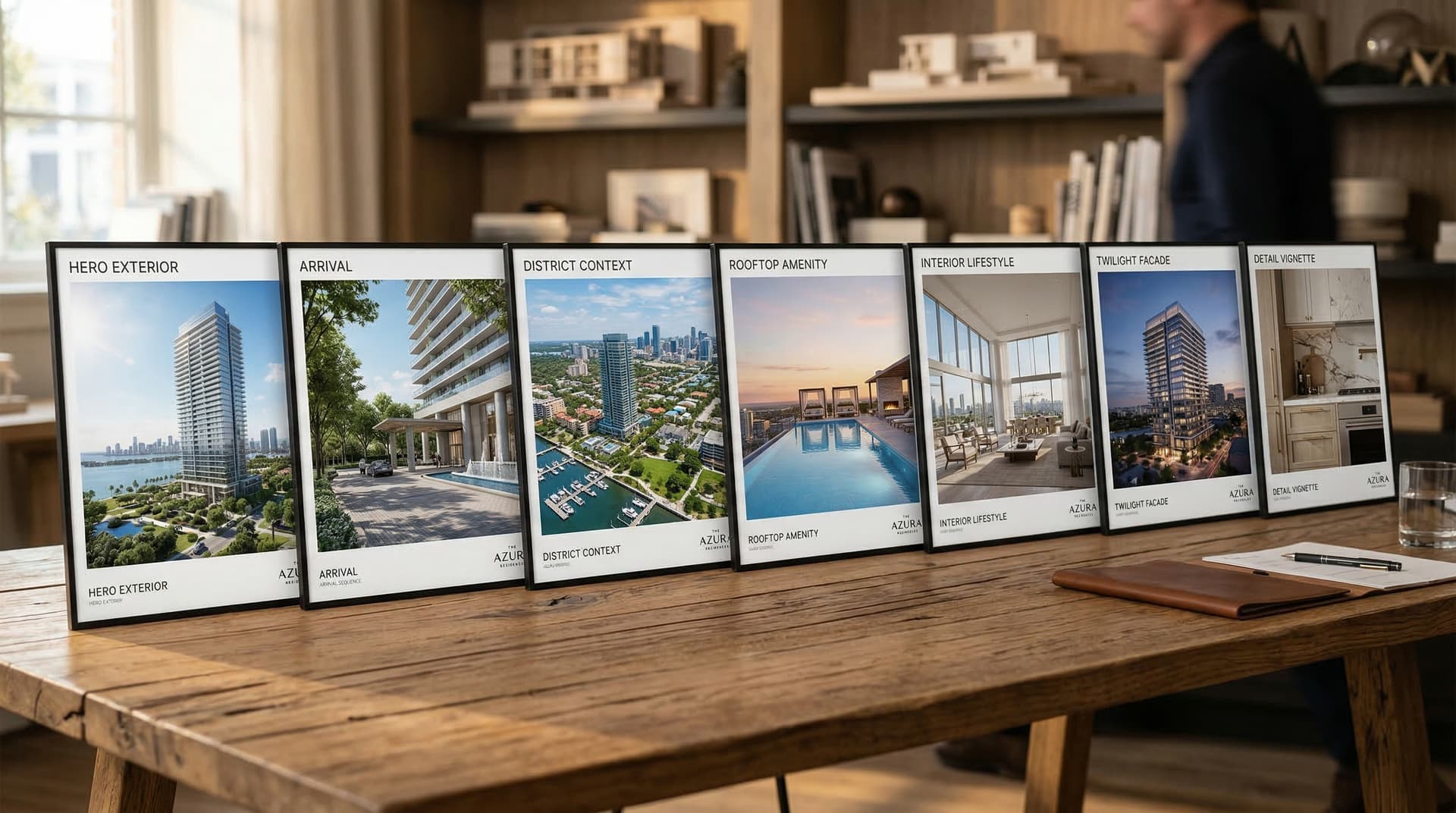
Una secuencia solida suele verse asi:
- hero exterior
- secuencia de llegada
- vista de contexto
- amenity clave
- interior distintivo
- mood twilight o nocturno
- vignette de detalle
- modulo CTA
Esa secuencia mueve de atraccion a prueba y deseo.
Que deberian construir despues los equipos BrickEx
Si quieres renders que posicionen y conviertan, deja de pensar en imagenes sueltas. Construye packs repetibles.
El stack practico es:
- un render hero
- un render de llegada
- un render de contexto
- dos renders de amenities
- dos renders interiores lifestyle
- tres variantes de luz
- una vignette de detalle
Ese unico pack puede impulsar tu pagina de proyecto, SEO de barrio, deck de lanzamiento, anuncios y contenido de blog.
Si tu galeria actual se ve pulida pero vaga, por eso rinde poco. La precision gana consultas.