Japanese House Render Ideas for Minimal, Zen Vignettes
Regional & Style Studies

Japanese House Render Ideas for Minimal, Zen Vignettes

Practical render prompts and scene choices for students and marketers emphasizing calm geometry, timber living rooms, tatami styling and paper lantern glow.

Generate renders like this

Use BrickEx to turn the prompt direction into your own visual set.

Gallery

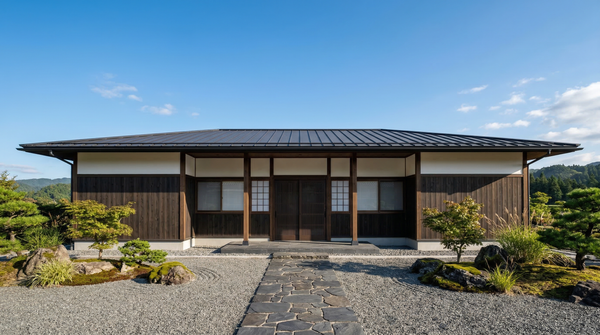
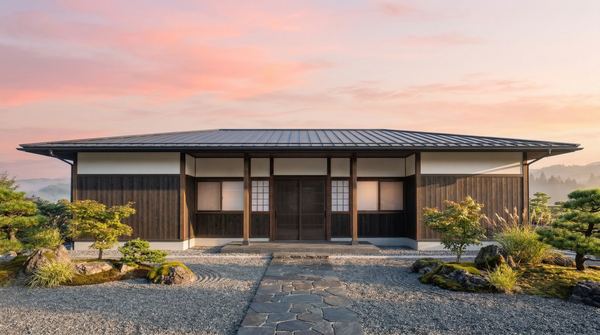
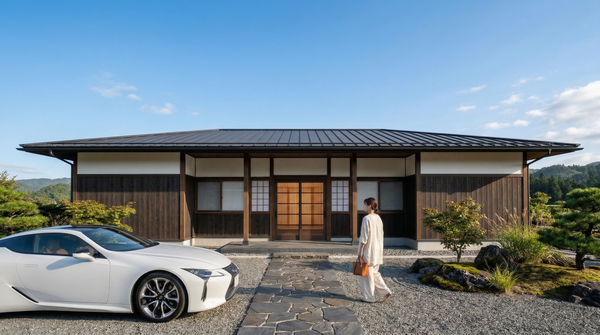
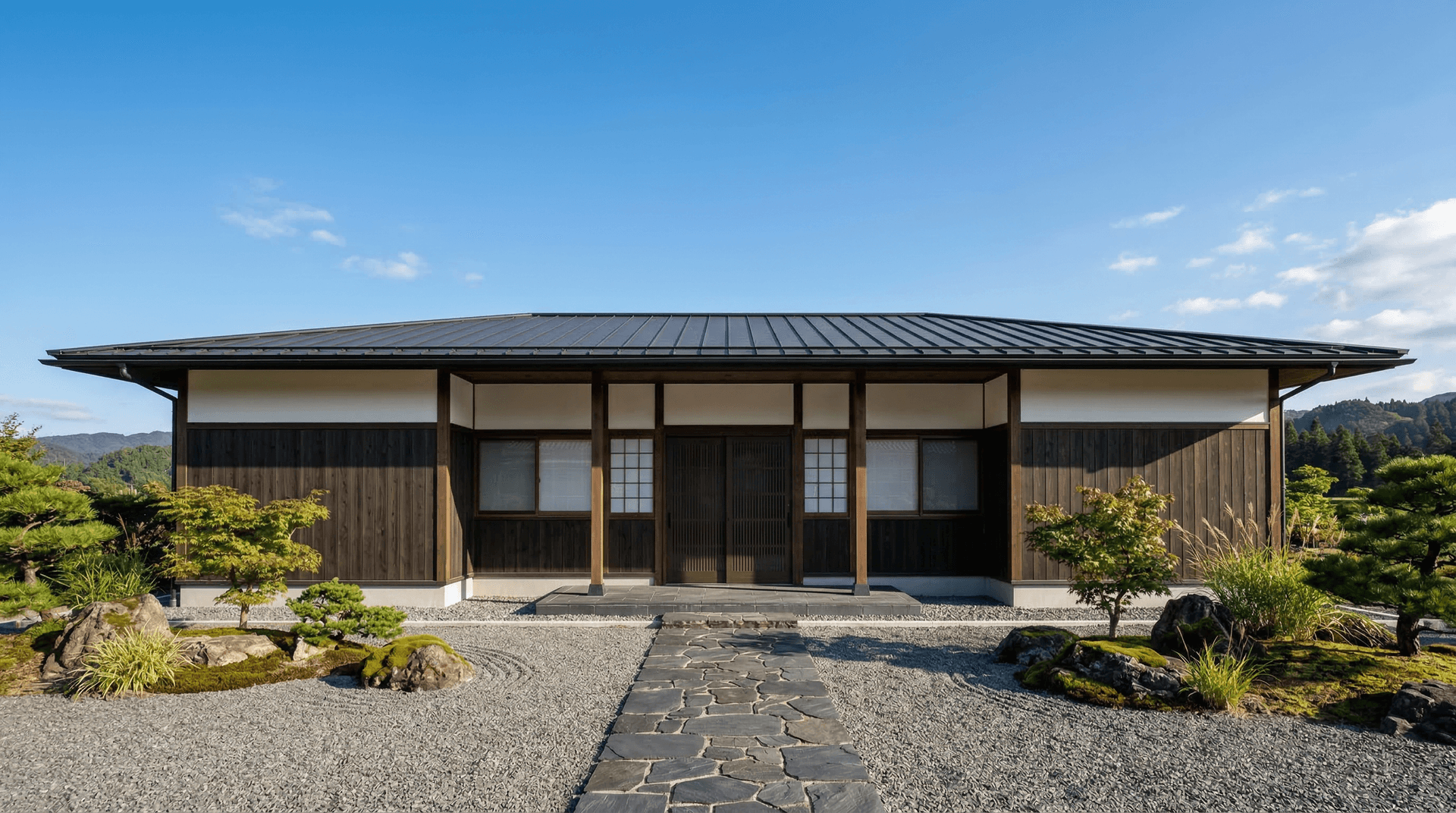
Hero exterior of a minimalist Japanese house with cedar cladding and Zen landscaping.

Hero: Minimal Japanese House Exterior

Hero exterior: disciplined geometry, warm cedar, concrete plinth and raked gravel foreground for architectural presentation.

Prompt recipe
A bold hero exterior of a contemporary Japanese minimalist house, shot as premium architectural photography. Camera: Canon EOS R5 with RF 24-70mm f/2.8 at 35mm. Settings: f/8, ISO 100, 1/250s. Camera height: 1.6m (eye level), slight low-angle to emphasize geometry. Time of day: late morning with soft sun from the left (north-east), subtle fill from the right. Composition: strong 2/3 facade rule, foreground clipped gravel path and manicured moss bed, midground timber-clad entry pavilion, background bamboo screen and distant pine — framed by overhang and sky. Materials: warm vertical cedar cladding, smooth engineered concrete plinth, black anodized metal window frames, frosted shoji glass, river stone landscaping, raked gravel. Environmental details: minimalist Zen garden, shallow reflecting pool at entry, shadow lines on facade. Mood & palette: calm, warm timber tones, off-white stucco, muted charcoal accents; ultra-photorealistic, crisp depth, natural filmic contrast. Use for marketing or student precedent. No text, no watermark, no logo.
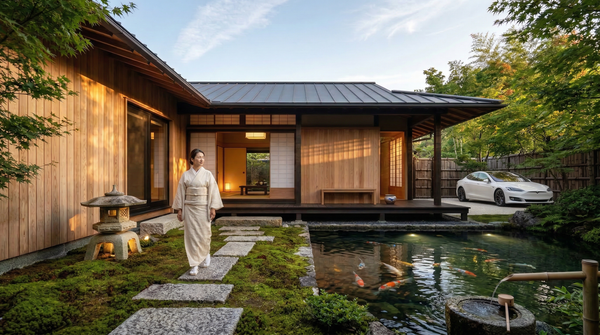
Approach shot to a recessed Japanese entry portal with stepping stones, moss, and a person for scale.

Approach: Tatami Portal Arrival

Arrival view: tatami-proportioned portal, stepping-stone approach and warm interior glow, ideal for presentation boards and approach studies.

Prompt recipe
An intimate arrival/approach view down the entry path toward a recessed genkan (entry portal) inspired by tatami proportions. Camera: Nikon Z7 II with Nikkor Z 50mm f/1.8 at 50mm. Settings: f/4, ISO 200, 1/125s. Camera height: 1.2m, slightly lower than eye level to accentuate the path. Time of day: afternoon with warm late-day sun from the right rear, soft front fill. Composition strategy: leading-lines centered, foreground: textured stepping stones and moss, midground: low cedar screen and stone lantern, background: deep shadowed entry with warm interior glow. Materials & styling: smooth ash timber bench, dark basalt stepping stones, porcelain cylindrical lantern, neatly stacked firewood, shoji screen glimpsed inside. Include one person (small scale, back to camera, wearing neutral clothing) for scale only. Mood & palette: serene, tactile neutrals, earthy greens; high realism with slight film grain. Useful as approach precedent and marketing hero detail. No text, no watermark, no logo.
Elevated context view of a minimalist Japanese house with planted roof terraces and surrounding low-rise context.

Context: Elevated Site and Roof Landscape

Elevated site view: planted roofs, courtyard cut-out and surrounding context to show massing, landscape relationships and materiality.

Prompt recipe
An elevated context view showing the house within a compact suburban Japanese plot and landscaped roof terraces. Camera: Sony A7R IV with FE 16-35mm f/4 at 24mm. Settings: f/11, ISO 100, 1/200s. Camera position: drone-style elevated vantage at 6m above ground with a shallow top-down angle (15° tilt). Time of day: clear mid-morning with sun from the south-east casting soft shadows. Composition: foreground: neighboring traditional eaves and maple trees, midground: the white-and-timber house with planted green roof and courtyard cut-out, background: low-rise context and distant hills. Materials & details: cedar, pale plaster, standing-seam metal roof, gravel paths, tatami-like terraces, planted sedum and maples, simple stone boundary wall. Mood & palette: restrained, breathable whites and warm woods; documentary-realistic clarity for site analysis and marketing context. Use this for masterplan inset or elevated hero. No text, no watermark, no logo.
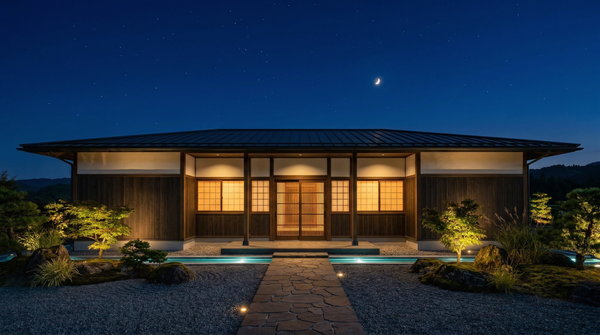
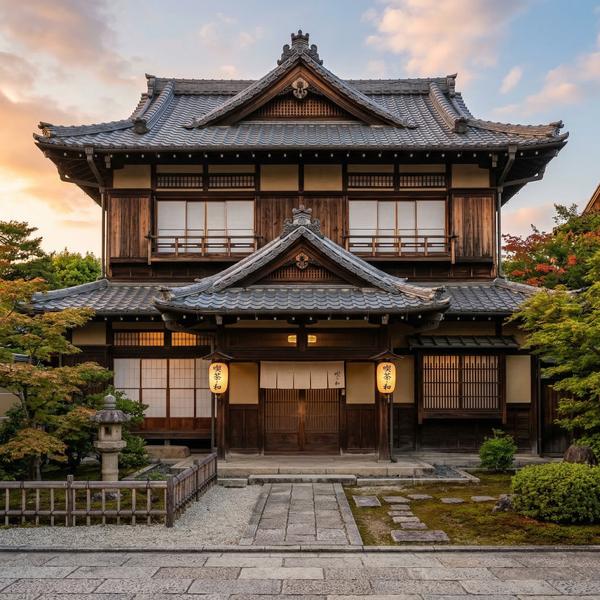
Twilight courtyard of a Japanese house with warm paper lanterns and contemplative indigo sky.

Twilight: Courtyard Lantern Glow

Dusk courtyard: paper-lantern warmth, shoji spill and mossed stone basin create a serene, marketable twilight study.

Prompt recipe
A dusk/twilight courtyard scene with warm paper-lantern glow and subtle exterior uplighting, ideal for mood-driven marketing. Camera: Canon EOS R6 with RF 35mm f/1.4 at 35mm. Settings: f/2.8, ISO 800, 1/60s (stable tripod). Camera height: 1.5m, straight-on eye level. Time of day: 20 minutes after sunset with sky blue hour; primary light from lanterns and indirect interior spill from sliding shoji panels (light direction: interior-to-courtyard and low-angle uplights). Composition: foreground: weathered stone basin and moss, midground: courtyard with low timber bench and glowing round paper lanterns, background: silhouette of house and bamboo; framed left by overhang. Materials & styling: rice-paper lanterns, dark stained timber, polished concrete floor, ceramic basin, simple ceramic teapot on bench. Include one small human silhouette near lantern for scale. Mood & palette: contemplative indigo and warm amber contrast, soft realistic filmic glow, high realism. No text, no watermark, no logo.
Serene timber living room with tatami layout, low cedar table, linen cushions, and shoji screens.

Interior: Serene Timber Living Room

Styled interior: tatami-inspired living room with low furniture, linen textiles and a tokonoma vessel — perfect for presentation and staging.

Prompt recipe
A styled semi-interior living composition that reads as a modern tatami-inspired living room with sliding shoji and low furniture. Camera: Fujifilm GFX100 II with GF 45mm f/2.8 at 45mm. Settings: f/5.6, ISO 200, 1/125s. Camera height: 1.1m (slightly lower than standing eye level), straight-on to couch axis. Time of day: soft morning light from the left (east), gentle backfill. Composition: foreground: low cedar coffee table with ceramic tea set and a folded indigo textile, midground: low-sofa with neutral cushions and tatami mat area, background: shoji screens and recessed tokonoma niche with single ceramic vessel. Materials & styling: honeyed sugi timber, woven tatami texture, linen textiles, stoneware ceramics, single sculptural ikebana, recessed linear pendant with warm LED, natural jute rug. Mood & palette: tranquil neutrals, soft ochre, muted greens; ultra-photorealistic, editorial styling suitable for interiors portfolio and real estate staging. No text, no watermark, no logo.
Vignette of matte porcelain tea set on cedar tray with sculptural vase and indigo textile accent.

Vignette: Ceramic Tea Setup & Sculptural Vase

Luxury vignette: crafted ceramics, cedar tray and sculptural vase with indigo textile — a calm styling precedent for interiors.

Prompt recipe
A tight luxury vignette showcasing craft ceramics and minimal styling as a compositional study for interiors. Camera: Leica SL2 with Vario-Elmarit-SL 24-90mm at 50mm. Settings: f/2.8, ISO 160, 1/125s. Camera height: 0.9m, slight 10° top-down angle to show tabletop composition. Time of day: late morning ambient light from the left, soft directional fill from right. Composition: foreground: hand-thrown porcelain tea set on a raw cedar tray, midground: low stone coffee table with folded indigo futon textile, background softly blurred tokonoma wall with minimal hanging scroll and a single patinated bronze vase. Materials & styling: matte white ceramics, glazed stoneware, raw cedar tray, woven tatami runner, single sprig of maple. Mood & palette: tactile neutrals with indigo accent; editorial, hyper-realism with shallow depth providing a gallery-quality still-life. Useful as furniture and decor precedent. No text, no watermark, no logo.
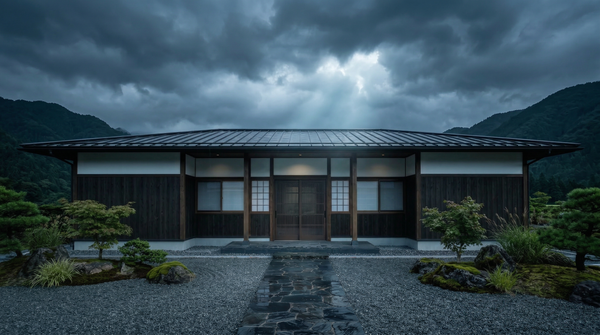
Mist-filled garden path with wet granite stones and cedar cladding, early dawn atmosphere.

Mood Study: Mist Over Garden Path

Weather study: mist and wet stone path with cedar tones and soft silhouettes for atmospheric precedent and mood exploration.

Prompt recipe
A mood/weather study of a misty morning garden path to explore atmosphere and material response. Camera: Nikon D850 with AF-S 85mm f/1.8 at 85mm. Settings: f/4, ISO 400, 1/60s. Camera height: 1.2m, slight telephoto compression to flatten layers. Time of day: early dawn with diffuse ambient light, fog rolling in from the left. Composition: foreground: wet granite stepping stones with soft reflections, midground: low maple and azalea beds fading into mist, background: faint silhouette of the house roof and bamboo fence. Materials & environmental details: rain-kissed cedar, wet stone texture, moss, falling dew on leaves, subtle mist diffusion. Mood & palette: cool desaturated greens and warm timber hints; cinematic, moody realism useful for environmental studies, marketing seasonal atmospheres, or student precedent. No people. No text, no watermark, no logo.
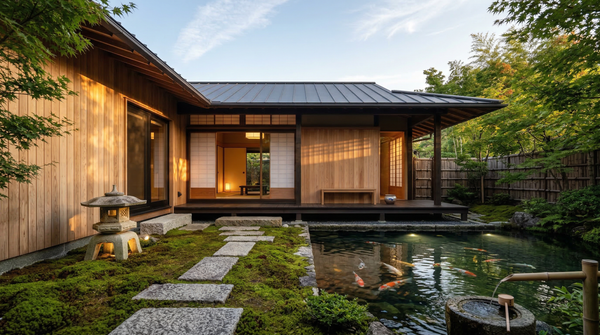
Sunlit terrace tea pavilion with reflecting pool, tatami bench and minimal ceramics, midday calm.

Terrace: Daylight Tea Pavilion

Terrace amenity: daylight tea pavilion opening to a reflecting pool and compact courtyard, ideal for marketing outdoor living and tranquil amenities.

Prompt recipe
A commercial terrace/courtyard amenity shot: sunlit tea pavilion opening to a compact courtyard and small reflecting pool. Camera: Canon EOS R3 with RF 85mm f/1.2 at 85mm. Settings: f/4, ISO 100, 1/200s. Camera height: 1.4m, slight oblique angle to include pool edge and pavilion opening. Time of day: mid-afternoon with soft sun from the right-back casting long lattice shadows. Composition: foreground: polished stone pool edge and ceramic tea bowl, midground: timber pavilion with low bench and tatami mat, background: clipped maple and gravel courtyard. Materials & styling: oiled cedar pavilion, dark basalt pool edge, hand-woven tatami rug, simple ceramics and bamboo blinds; minimal plantings and a single sculptural stone. Mood & palette: bright, warm, natural tones; commercial-ready realism emphasizing amenity use and tranquil outdoor living. Include no people. No text, no watermark, no logo.

How it works

Step 1

Review the space set

Study the eight references and pick the luxury angle you want.

Step 2

Open the prompt recipe

Each image includes the structure behind the look, mood, and styling.

Step 3

Generate your version

Adapt the prompt in BrickEx for boards, listings, interior studies, or concept work.

About this idea pack

Start by saving the scenes people actually want to reuse: living rooms, lobbies, kitchens, terraces, lounges, art walls, rugs, lighting, spa bathrooms and small styled decor moments. For each focused scene favor calm geometry and a clean material palette — pale timber, matte ceramics, soft plaster and rice-paper luminosity — so every vignette reads as a cohesive concept. Keep landscaping restrained: clipped gravel beds, single-specimen maples or bamboo screens and stepping stones that reinforce composition rather than clutter it. These disciplined references work both for architectural visualization renders and real estate marketing assets.

Practical composition ideas by space: in serene timber living rooms place low seating and a tatami-inspired rug opposite an art wall lit by soft paper lantern glow to form a centered vignette; in kitchens show a single uninterrupted counter plane with shoji-inspired screens and a ceramic bowl as a styled moment; terraces benefit from a small zen planting bed and one lounge chair aligned to a strong horizontal datum. For spa bathrooms use muted stone, diffused indirect lighting and minimal accessories to convey calm. When producing visuals, prepare targeted render prompts and test presentation boards: establish one primary shot per space, one atmospheric night shot that emphasizes lighting, and one material-board closeup to show texture and finish.

Make these ideas reusable: create a set of modular assets (timber joinery pieces, tatami mats, ceramic collections, paper lanterns, simple planters) and tag them by scene. Architecture students can use them to build study vignettes and iterate composition; design marketers can adapt the same assets for listing imagery and quiet hero shots for campaigns. For each project produce clear render prompts — mood, camera height, focal length, time of day — and a short note for presentation boards explaining composition choices, intended audience and staging strategy. This keeps the visual language consistent across minimalist residential presentations and supports both academic and commercial workflows.

What to study

  • Serene timber living room vignette: low seating, tatami rug and paper lantern glow for balanced geometry.
  • Minimal kitchen presentation: uninterrupted counter plane, shoji light and a single ceramic bowl as a styled moment.
  • Terrace focused scene: zen planting bed, stepping stones and one lounge chair oriented to the horizon line.
  • Lobby and lounge strategy: slatted screens, framed art wall and layered indirect lighting to define circulation and calm.
  • Spa bathroom vignette: muted stone, soft shadows and minimal accessories for a restful marketing image.
  • Reusable asset sets: timber modules, ceramic props, rugs and lanterns organized for quick render prompts and presentation boards.

Frequently asked questions

Start with a single strong composition: choose a primary horizontal or vertical datum, limit furnishings to low-scale elements, and use negative space. Anchor the scene with one focal prop (a ceramic bowl, a lantern or a framed artwork) and control light for soft, even illumination.
Use a restrained palette of pale timbers, warm neutrals, soft plaster or lime wash, muted stone and matte ceramics. Add tactile contrast with tatami-inspired textiles and the warm paper glow of lanterns; avoid saturated colors or busy patterns.
Produce three deliverables per space: a hero interior shot for listings, an atmospheric lighting shot to convey mood, and a material board that shows finishes and props. Keep captions concise on presentation boards explaining composition, target audience and staging choices so marketers and clients understand intent.

Want to build a set like this?

Use BrickEx to iterate on composition, lighting, and material direction without rebuilding the whole visual stack from scratch.

Open BrickEx